Product Overview
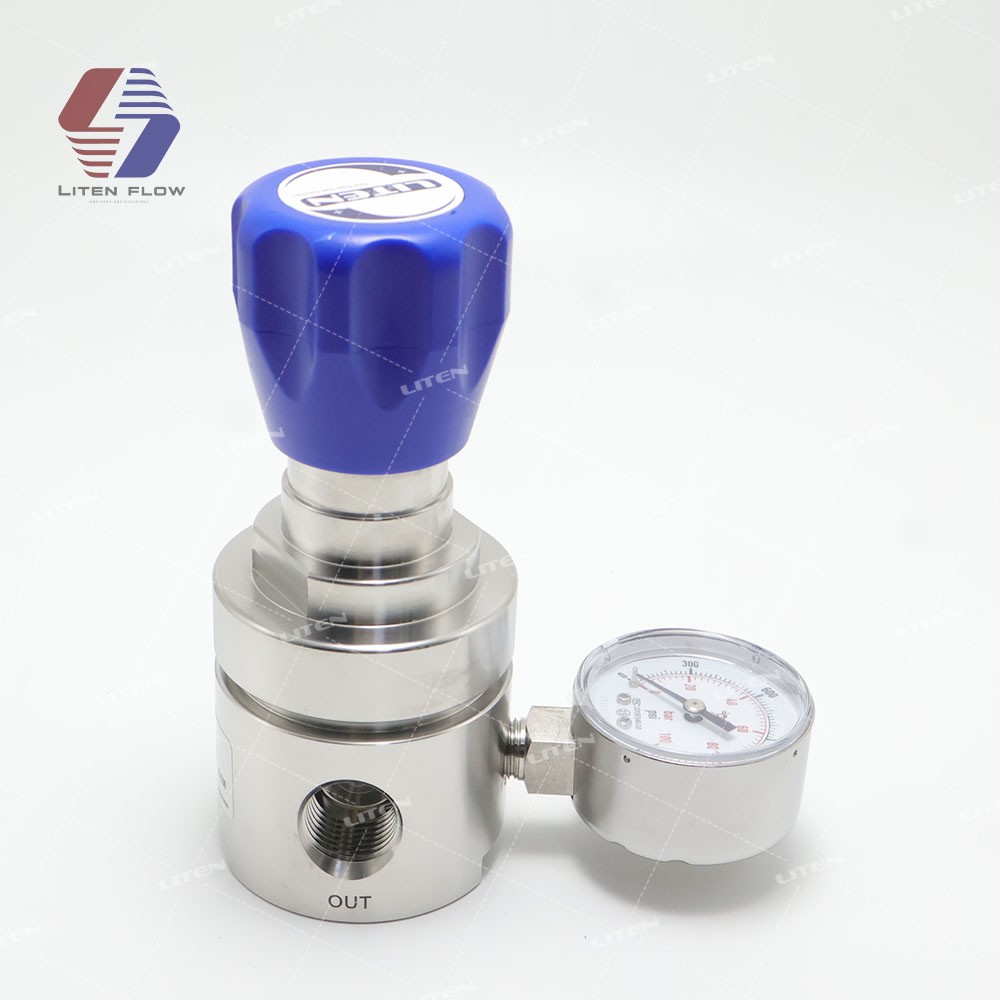
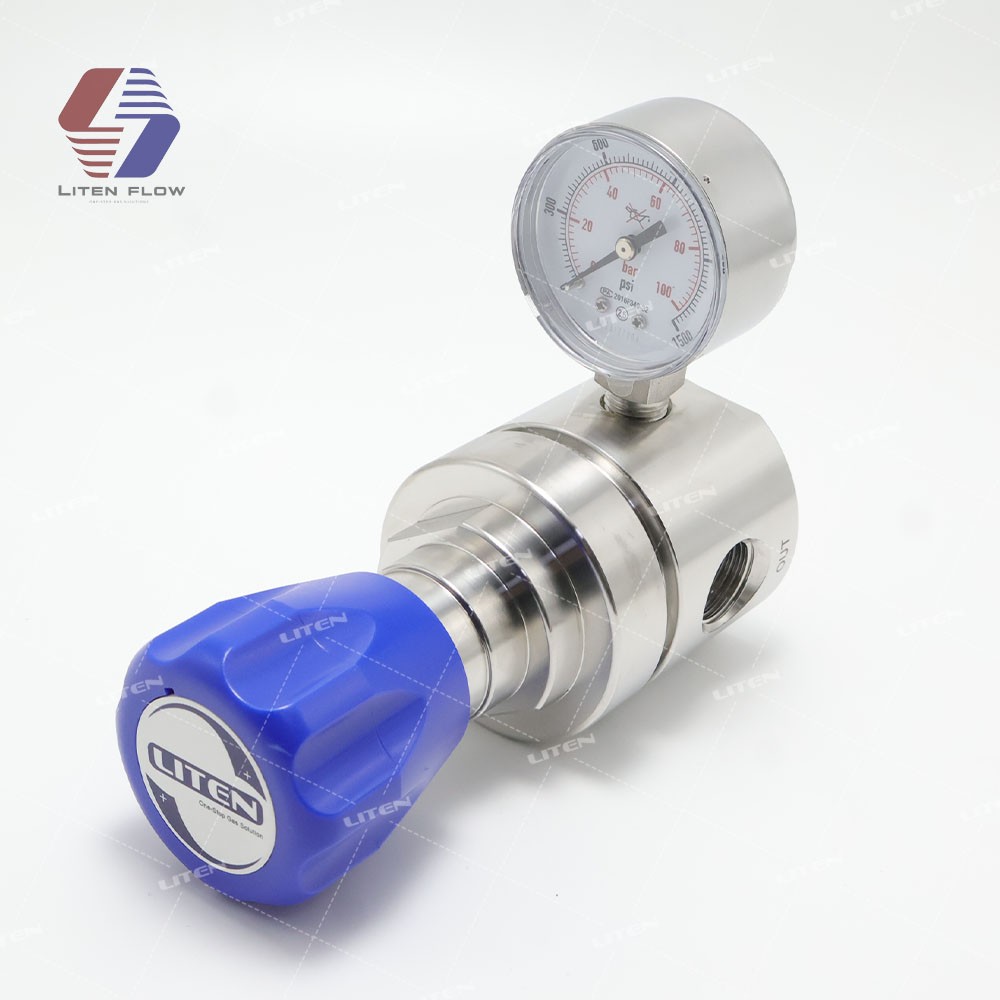
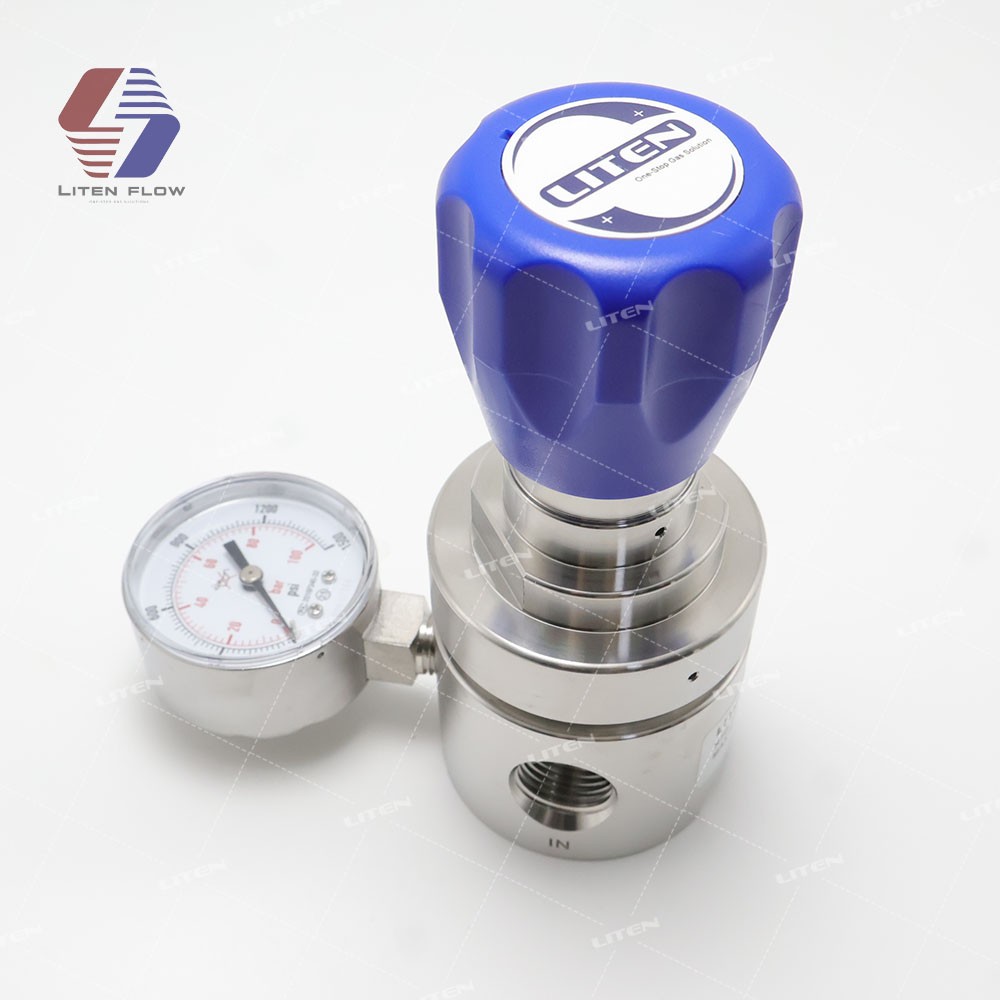
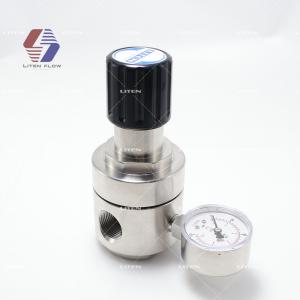
The R72 series medium pressure piston stainless steel back pressure regulator is designed to maintain stable upstream pressure in gas control systems. It uses a compact piston structure and 316L stainless steel wetted parts, making it suitable for medium-pressure industrial gas, laboratory gas, specialty gas, and process gas applications.
With a maximum control pressure of 1000 psi, Cv 0.15, 1/4" NPT connection options, and optional panel mounting, the R72 back pressure regulator is a practical choice for gas panels, test equipment, laboratory gas lines, and point-of-use pressure control systems.
Product Parameters
|
Product Name
|
R72 Series Medium Pressure Piston Stainless Steel Back Pressure Regulator
|
|
Series
|
R72
|
|
Product Type
|
Medium Pressure Back Pressure Regulator
|
|
Structure
|
Piston Type
|
|
Max Control Pressure
|
1000 psi
|
|
Inlet Connection
|
1/4" NPT or 1/2"NPT
|
|
Outlet Connection
|
1/4" NPT or 1/2"NPT
|
|
Flow Coefficient
|
Cv = 0.15
|
|
Operating Temperature
|
-40°C to 74°C
|
|
Body Material
|
316L Stainless Steel
|
|
Valve Core Material
|
316L Stainless Steel
|
|
Seat Material
|
PTFE / PCTFE
|
|
Other Components
|
304 Stainless Steel
|
|
Installation Option
|
Panel Mounting Available
|
|
Orginal
|
China
|
Key Features
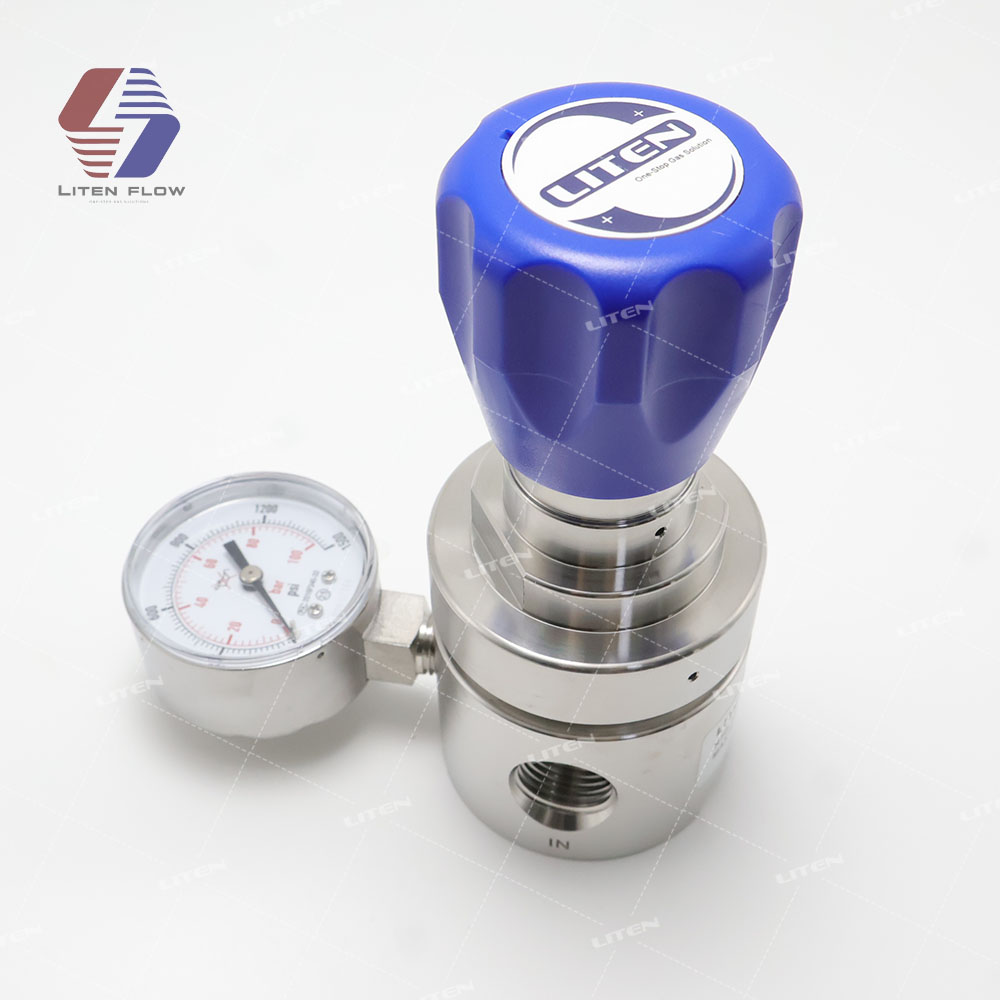
Reliable Sealing Performance for Gas Safety
The R72 back pressure regulator is designed with a precision sealing structure to help reduce leakage risk in gas control systems. Each unit can be leak tested before shipment to support safer and more reliable gas system operation.
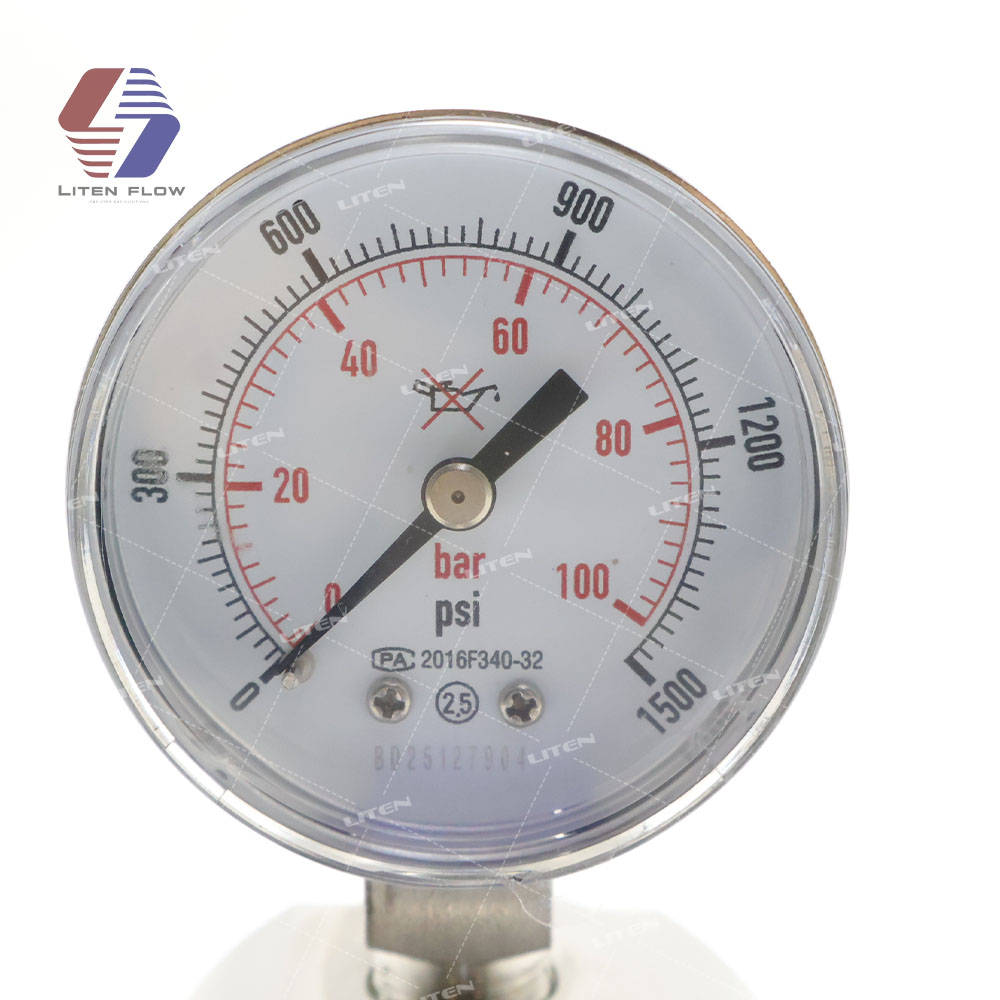
Stable Pressure Control You Can Trust
With a compact piston design and precision-machined internal components, the R72 series helps maintain stable upstream pressure in medium-pressure gas systems, supporting smooth operation in gas panels, laboratory lines, and test equipment.
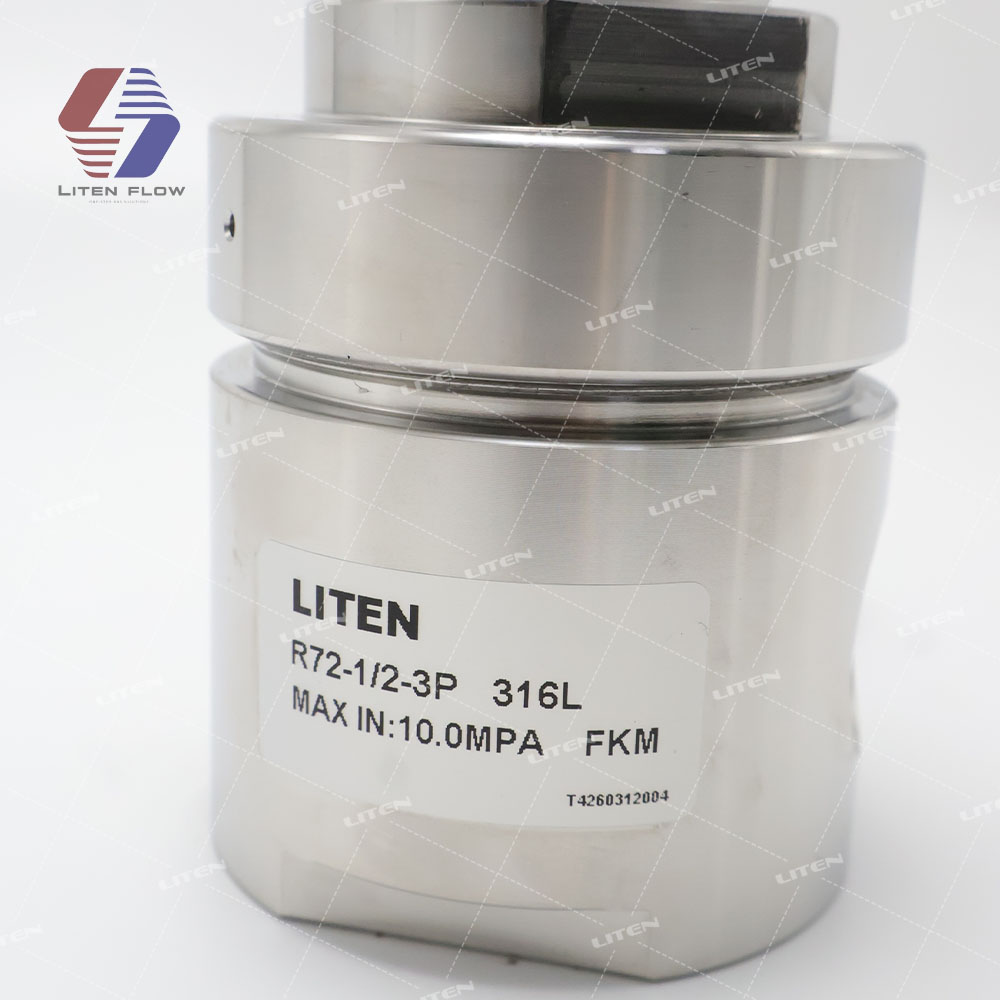
316L Stainless Steel for Longer Service Life
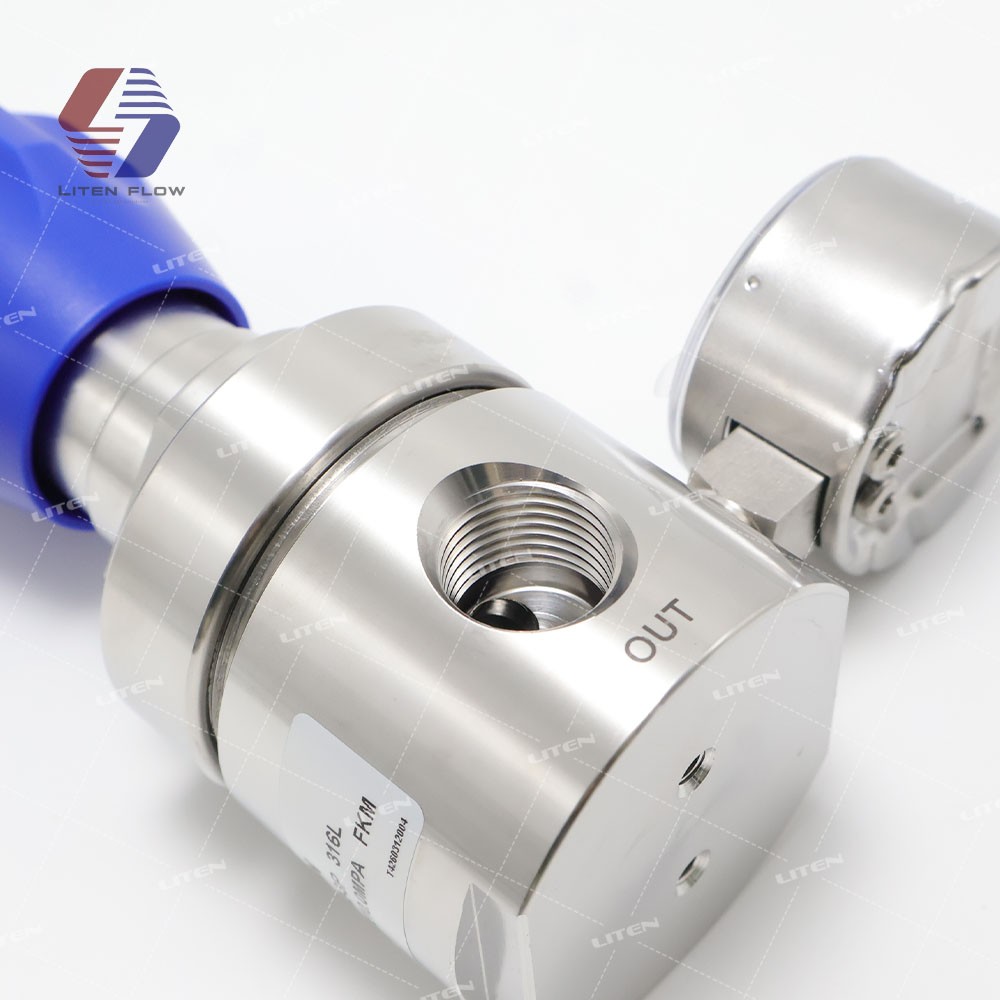
The wetted body and valve core are made of 316L stainless steel, offering good resistance to chemical and electrochemical corrosion. This helps extend service life in industrial gas, specialty gas, and laboratory gas applications.
Model Selection Guide
The following ordering information helps users select the suitable R72 back pressure regulator configuration according to seat material, back pressure range, inlet connection, outlet connection, and mounting option.
Ordering Information
|
Series
|
Seat Material
|
Back Pressure
|
Inlet Connection
|
Outlet Connection
|
Option
|
|
R72
|
C
|
A
|
00
|
00
|
P
|
|
R72
|
C: PCTFE
|
A: 1000 psi
|
00: 1/4" NPT(F)
01: 1/4" NPT(M)
02: 1/2” NPT(F)
03: 1/2"NPT(M)
11: 1/4" Tube Fitting
12: 3/8" Tube Fitting
Other connections available on request
|
00: 1/4" NPT(F)
01: 1/4" NPT(M)
02: 1/2” NPT(F)
03: 1/2"NPT(M)
11: 1/4" Tube Fitting
12: 3/8" Tube Fitting
Other connections available on request
|
P: Panel Mounting
|
Note: For more connection types, seat material options, or customized configurations, please contact LITEN.
Application Scenarios
Industrial Gas Control
Used to maintain stable upstream pressure in nitrogen, argon, oxygen, hydrogen, helium, carbon dioxide, and other industrial gas control systems.
Specialty Gas Pipeline
Suitable for specialty gas pipeline engineering, process gas control, and medium-pressure gas distribution applications requiring stable back pressure control.
Laboratory Gas Supply
Applicable for laboratory gas panels, analytical instrument gas lines, test benches, and point-of-use gas pressure regulation systems.
Quality Control
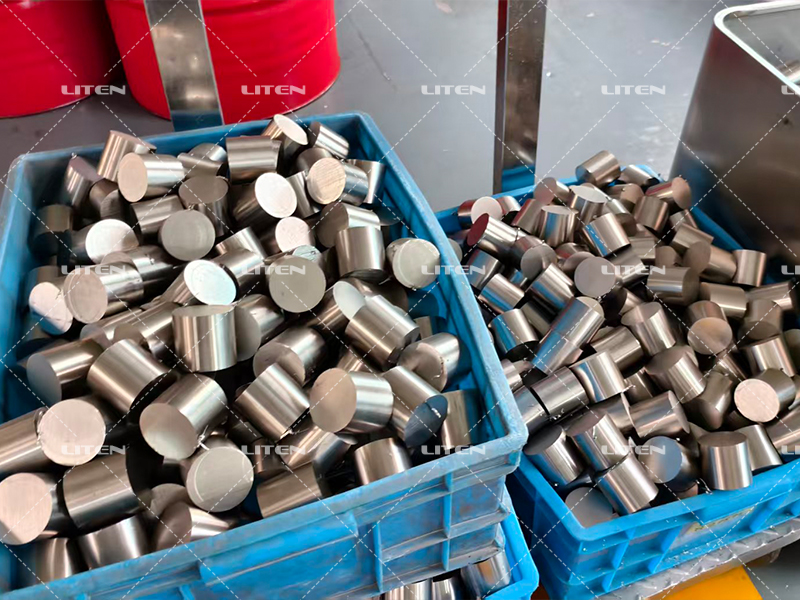
Material Inspection
316L stainless steel and key components are checked before machining and assembly.
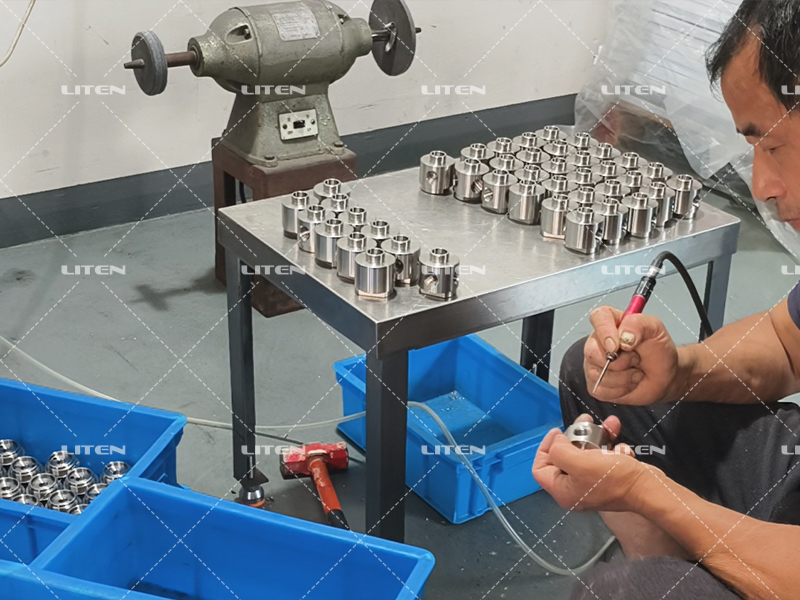
Dimensional Inspection
Key dimensions, threaded ports, and connection specifications are inspected before shipment.
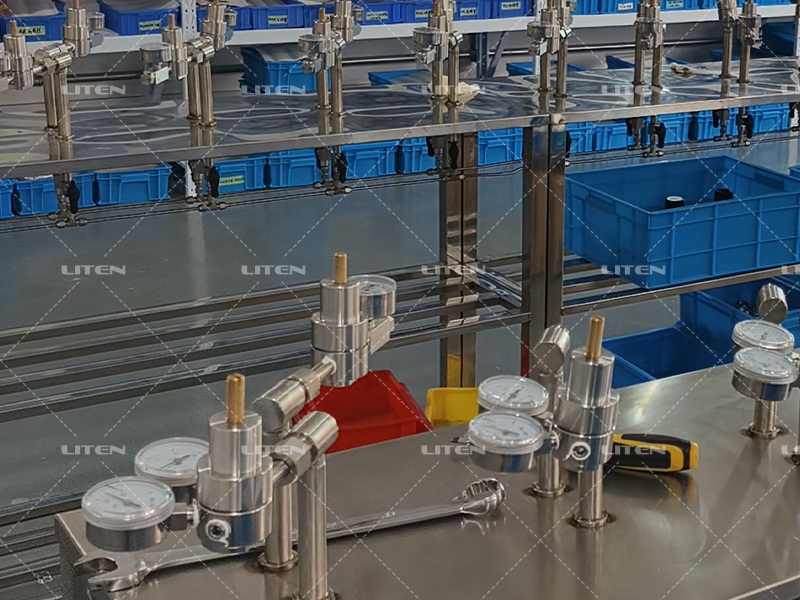
Leak Testing
Sealing performance is checked to help reduce leakage risk in gas control applications.
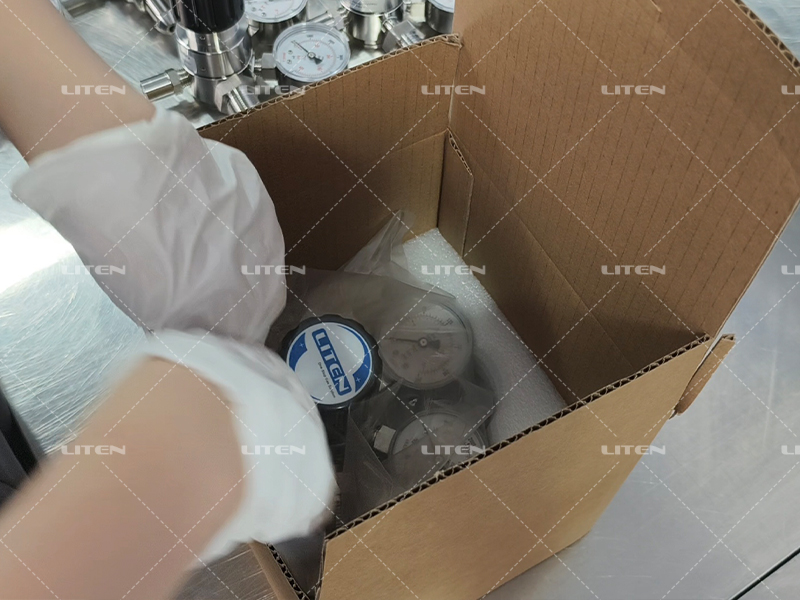
Safe Packaging
Products are cleaned, protected, and packed for safe international delivery.
FAQ
Q1: What is a back pressure regulator?
A back pressure regulator is a pressure control valve used to maintain a set pressure on the upstream side of the regulator.
Q2: How does a back pressure regulator work?
It senses inlet pressure. When the inlet pressure exceeds the set point, the valve opens and allows flow to pass downstream, helping reduce and stabilize upstream pressure.
Q3: What is the difference between a back pressure regulator and a pressure reducing regulator?
A pressure reducing regulator controls downstream pressure, while a back pressure regulator controls upstream pressure.
Q4: What is the difference between a back pressure regulator and a relief valve?
A relief valve is mainly used for overpressure protection, while a back pressure regulator is used for continuous upstream pressure control during normal operation.
Q5: When should I use a back pressure regulator?
Use a back pressure regulator when your system needs to maintain stable upstream pressure, keep minimum pressure before equipment, or control pressure in gas panels, laboratory gas lines, process systems, or test equipment.
Q6: What is the standard lead time?
The standard lead time is about 7–10 days after order confirmation. For customized configurations or bulk orders, the delivery schedule should be confirmed separately.